



.jpg?61c78d44)
.jpg?61c78f2c)










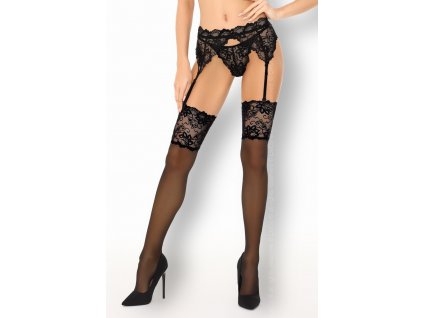

Nekompromisně vás udělá! Naprosto realistický pocit. Tato hračka přichází s nabídkou kvalitního ... Orgasmu! A to do pár minut. Víme, co ženy milují! Přidejte se k těm, které...

Bezkonkurenční párový vibrátor v kombinaci s velmi účinným stimulátorem klitorisu na principu tlakových vln. Zpestří předehru, sex i masturbaci. nabíjecí párová...
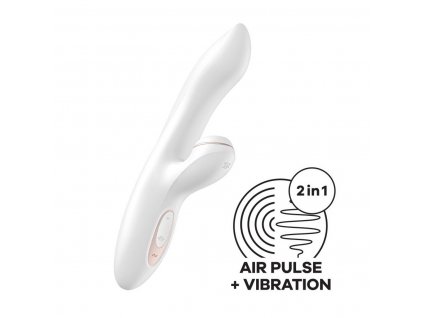
Luxusní výkonný vibrátor na G-bod kombinovaný se stimulátorem klitorisu na principu tlakových vln. vibrátor s podtlakovou stimulací klitorisu stimulace bodu G nabíjecí a...

Revoluční a dokonalý. Úžasné podtlakové vlny od Satisfyer s mobilní aplikací pro ovládání z celého světa. Nezapomenutelný orgasmus, kdykoliv, kdekoliv. Ten musíš mít!...
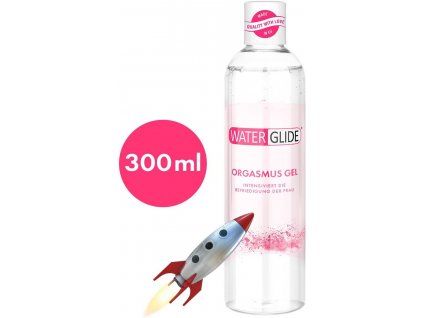
Lubrikant na vodní bázi v lékařské kvalitě se speciálním složením pro ženy, vyvolává vzrušující pocity a přináší dokonalou rozkoš. Velmi oblíbený a doporučovaný gel našimi...
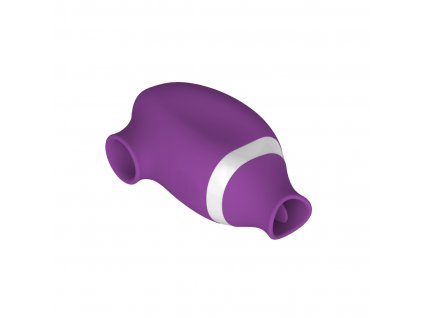
Stimulátor s dvojitou dávkou radosti pro váš klitoris - intenzivní podtlakové vlny pronikající i hluboko do vaginy a kmitající jazýček, který slastně hýčká klitoris. Ideální...
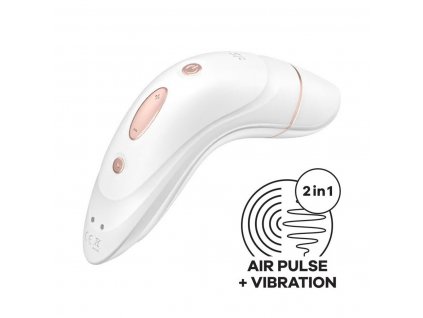
Zamilovala jste se do smyslných tlakových vln Satisfyeru, ale trochu se vám začíná stýskat po klasických vibracích? Tato úchvatná novinka splní vaše přání! Kombinuje totiž...
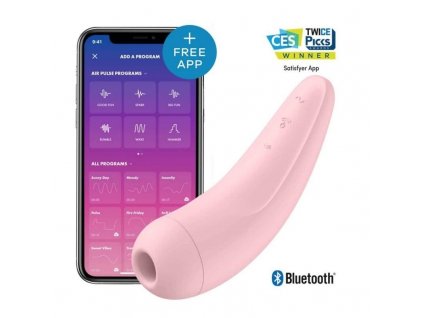
Revoluční a dokonalý. Úžasné podtlakové vlny od Satisfyer s mobilní aplikací pro ovládání z celého světa. Nezapomenutelný orgasmus, kdykoliv, kdekoliv. Ten musíš mít!...
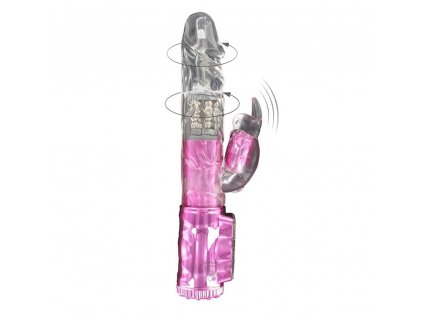
Skvělý pomocník pro dychtivé dámy. Velmi výkonný rotační vibrátor s extra silným výběžkem na klitoris a výrazným žaludem. Žalud intenzivně stimuluje vaginu, a výběžek zase...
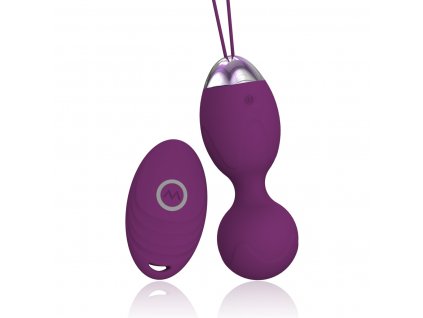
Vibrační kuličky s desítkou možností nastavení pro ještě silnější vzrušení a více potěšení. Zlepšete svůj i partnerův erotický prožitek díky silnějším vaginálním a...

Existuje lepší pomůcka, kterou můžete dráždit svého partnera během předehry? Velké hebké pštrosí pírko na tomto dráždidle je neuvěřitelně měkké a zanechává nádherné brnění na...
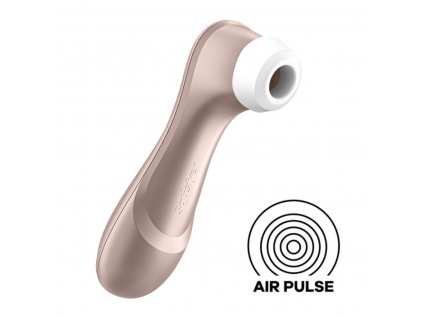
Klitoris v sedmém nebi. Ach! Polaskejte to nejcitlivější ženské místečko pořádně. Luxusní stimulátor klitorisu na principu tlakových vln v nové verzi s 11 typy...

Parádní ke zpestření Vašich BDSM hrátek a k ještě více vzrušujícím experimentům s pomůckami. Velká, elegantní, osmidílná sada pro BDSM hrátky ve výhodném balení.

Držák stydkých pysků s nastavitelnou sílou stisku a odnímatelným vodítkem. Otevře Vám každou mušličku pro Vaše hrátky.
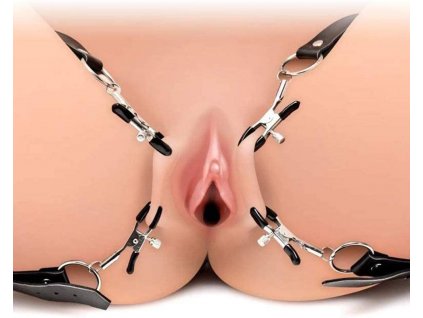
Hrajete si rádi na doktora? Tyto svorky nesmí chybět ve Vaší sbírce hraček! Otevřou Vám dokonalý pohled na dokonalé části Vaší partnerky.
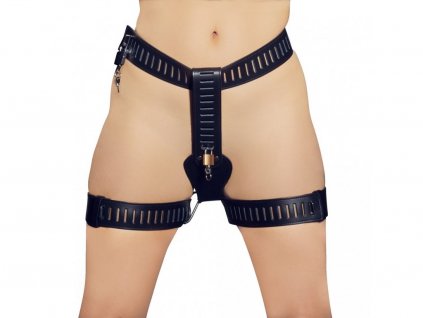
Pro svůdné hry cudnosti, kdy chcete dát své partnerce skutečně najevo, kdo má její chtíč pod kontrolou. Pás cudnosti zajistí, že vaše studánka bude stále jen a jen vaše. Jeden z...
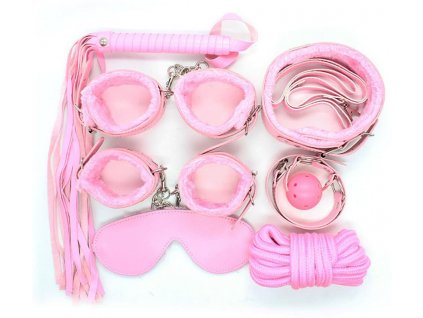
Vše, co potřebujete pro vzrušující spoutání, umlčení a potrestání, teď najdete v jedné sadě.

Nechte se jemně spoutat, černá pírka a zlaté prvky vnesou do Vašich her nádech luxusu a elegance.
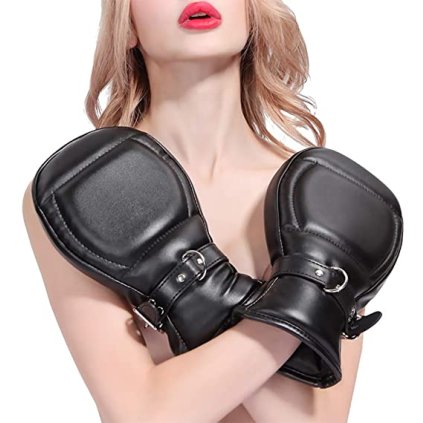
BDSM rukavice se zámky využijete všude tam, kde by překážela schopnost submisiva se bránit, nebo manipulovat s předměty. Partner vás už nebude omezovat (po dohodě)....
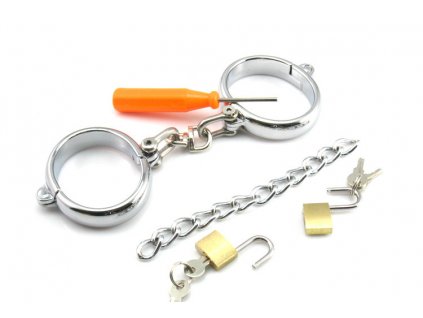
Zajímavá varianta na klasická pouta s přezkou. Tato můžete uzamknout pomocí zámečků, nebo imbusovým šroubem.

Luxusní neoprenová maska psa pro Vaše divoké hrátky. originální doplněk odnímatelný čenich pružná maska

Rajcovní a robustní postroj s odepínatelnými pouty, obojkem a kalhotkami. Dokonalé na bondage a SM.
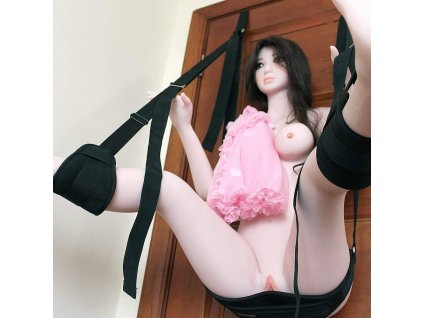
Sníte o divokém sexu na houpačce? S tímto speciálním setem proměníte jakékoliv dveře v místo rozkoše. Stačí jen zavřít dveře a nasednout.
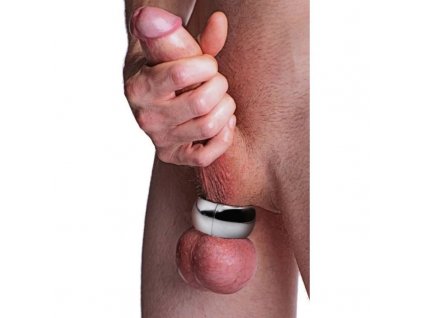
Při masturbaci, souloži nebo jakýchkoli hrátkách pocítíte sílu gravitace a užijete si intenzivní sexuální prožitky.
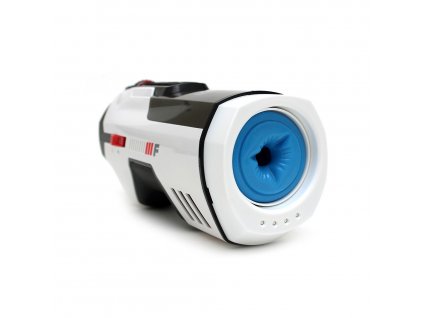
Budoucnost přichází! Chtějte jen to nejlepší! Nepřekonatelný zážitek pro každého muže! Povinná výbava všech - ne jen kosmonautů a námořníků v budoucnosti.

Dokonalý masturbátor nové generace pro absolutně úžasný prožitek

Dokonalý elektronický masturbátor nového tisíciletí pro dokonalý požitek. Nechte si dokonale vymasturbovat svoji chloubu, tímto vysoce kvalitním realistickým, vibračním...

Nejvěrnější přítelkyně, společnice, milenka v jednom. Dokonalost daná technologii 21.století. Spokojenost i uspokojení je zaručené. Tuto přítelkyni nepřekoná žádná jiná. Vždy...

Luxusní, výkonný vibrátor na dálkové ovládání pro všechny kombinace dráždění - vagína, G-bod, klitoris, anal, prostata...
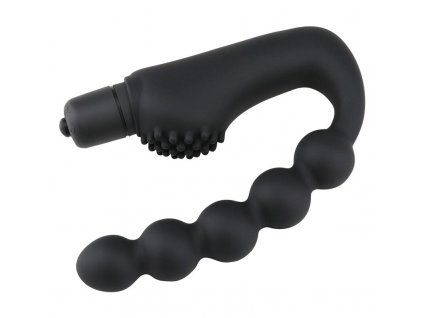
Užijte si vydatnou a intenzivní anální stimulaci díky pěti kuličkám, vyjímatelná vibrační patrona má deset variant nastavení. Současná stimulace hráze zintenzivní ještě celkový...

Tato voděodolná hračka ve fialovém provedení stimuluje intenzívně prostatu a hráz zároveň. Rovněž umí intenzívně dráždit G-bod a klitoris. Nabízí hned 12 tichých a přitom...

Kroužek z kvalitní nerezové oceli, který se jednoduše a rychle nasazuje i sundává díky oddělitelným polovinám s magnety. Zajistí dokonalou dlouhou erekci, stejně...
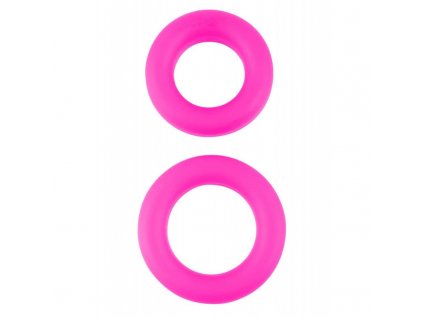
Dva veselé erekční kroužky z velmi pružného silikonu pro kvalitnější erekci a delší výdrž.
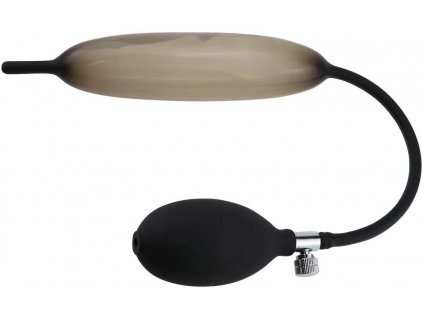
Dilatátor močové trubice. Pro milovníky tohoto způsobu dráždění. Další varianta stále oblíbenější pomůcky.
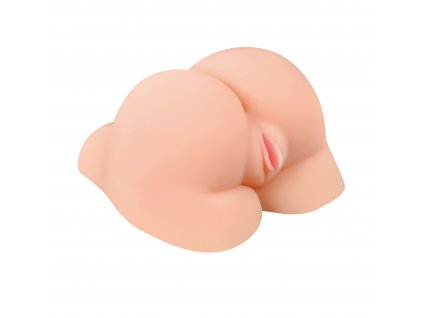
Jako živá. Realistický jemný materiál Cyber Skin pro pocit uspokojení se skutečnou ženou. Dokonalý vzrušující zadeček i pochva se vším všudy tak, jak to máte rádi.

Vzrušující zážitek s nádechem exotiky. Tato čokoládová mušlička splní všechny vaše hříšné fantazie.

Dokonalost to je Fuck Me MEGA masturbator s vagínou, análem a úžasným poprsím! Dokonalé uspokojení jako skutečná partnerka! Tohle musíte mít! Z realistického Fanta Flesh...

Realistické silikonové poprsí vhodné k celodennímu nošení. Získejte sexy postavu v horních partiích, kdy se budete cítit sebevědomě jako ONA. Prsa, za kterými se ohlédne každý...
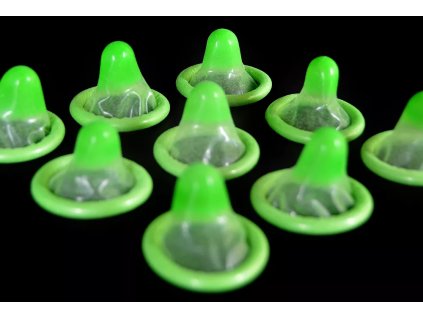
Výhodná 12 kusová sada - kondomy svítící ve tmě pro jedinečné intimní chvilky. Kromě skvělého sexu si tak se svým protějškem užijete i spoustu zábavy. Výhodná...

Umělá vagína jako živá k dokonalé masturbaci. Tato vagína je ihned připravená splnit Vaše přání.

Vzrušující pochva do ruky pro dokonalé uspokojení. Vnitřní elastická struktura s mnoha stimulujícími body pro dokonalý orgasmus, z měkkého a příjemného materiálu TPE.

Váš nový třpytící se šperk plný Zirkonů nejen pro erotické večery, ale i pro běžné nošení. Povýší vaši krásu, koketnost a svůdnost ještě výš. Staňte se i vy svůdnou Afroditou a...
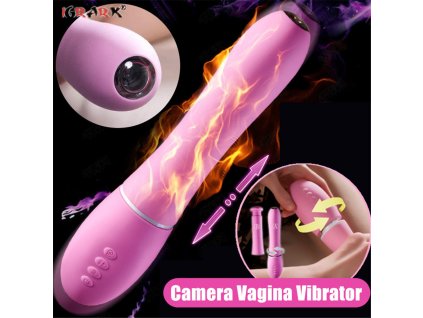
3 dokonalí pomocníci v 1. Speciální intimní endoskopická kamera ve špičce výkonného vibrátoru Vám umožní fotit natáčet každé i nejtajnější místa Vašeho milostného života....
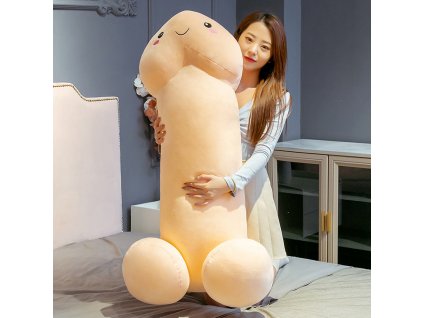
Plyšáček do postele? A co tak trochu netradiční plyšák? Pozor - jen pro velké holky a kluky! Velikost 30 cm Pro starší 18 let
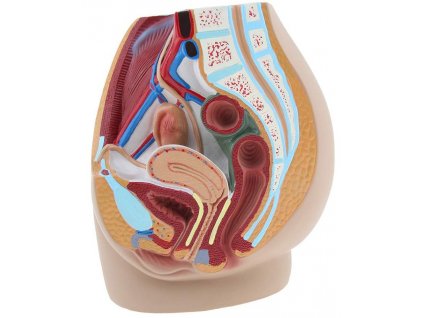
Poznejte svou partnerku po všech stránkách. Zjistěte, jak vypadá přesně její tajemství, kterým vám dává svou rozkoš. 3D model ženské pánve v životní velikosti je přesně to, co...

Nevíte si rady s dárkem pro svou milovanou partnerku pro svého milovaného partnera? Nechte ho, ať si vybere dárek sama/sám přesně podle svých představ, podle svých tajných...
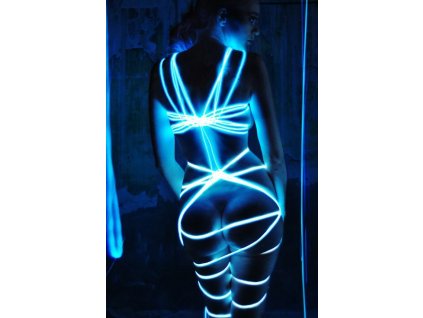
Užijte si vzrušující svazování s tímto lanem, které svítí ve tmě! Zhasněte a svítící vázací hrátky můžou začít. Délka 10 m Fosforeskuje
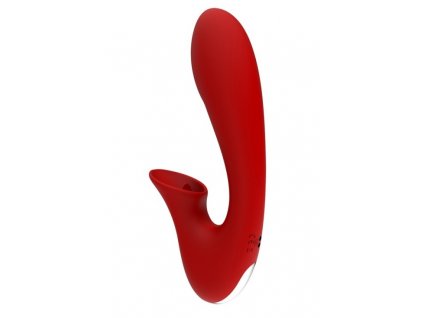
Skvělá vzrušující pomůcka, která kromě klasických vibrací a dráždění G-bodu disponuje také nástavcem na klitoris s malým třepotajícím a dráždivým jazýčkem. Silné 2 motory Vás...
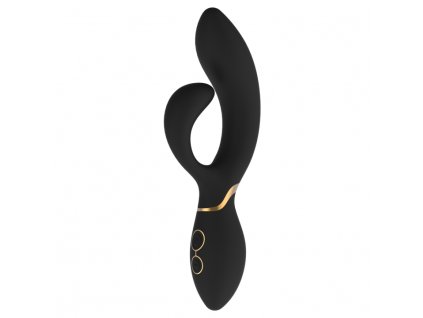
Luxusní vibrátor na G-bod a klitoris, který Vás nadchne svým tvarem a ojedinělým designem. Dva silné vibrující motorky umocní orgasmický zážitek. Silikonový vibrátor v...
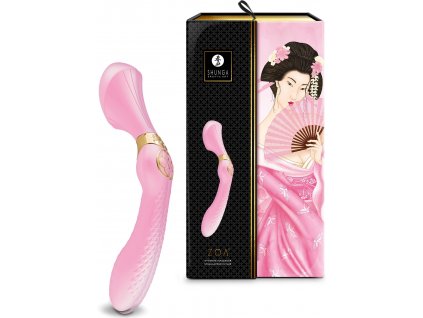
Dokonalé vzrušení pro náročnou ženu! 2v1 luxusní silný vibrátor a vibrační hlavice v jednom. Extra jemný silikon, dokonalé synchronizované vibrace. Pro solo i párové využití....
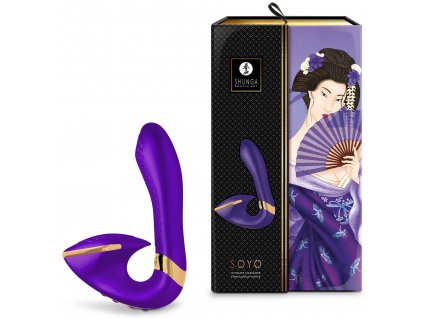
Dokonalé vzrušení pro náročnou ženu! 2v1 luxusní silný vibrátor a vibrační hlavice v jednom. Hedvábně jemný silikon, dokonalé synchronizované vibrace. Pro sólo i párové využití....

Dokonalé vzrušení pro náročnou ženu! Luxusní silný vibrátor v dokonalém designu. Extra jemný silikon, dokonalé synchronizované vibrace. Pro solo i párové využití. Vždy vás...
Užijte si vydatnou a intenzivní anální stimulaci díky pěti kuličkám, vyjímatelná vibrační patrona má deset variant nastavení. Současná stimulace hráze zintenzivní ještě celkový...
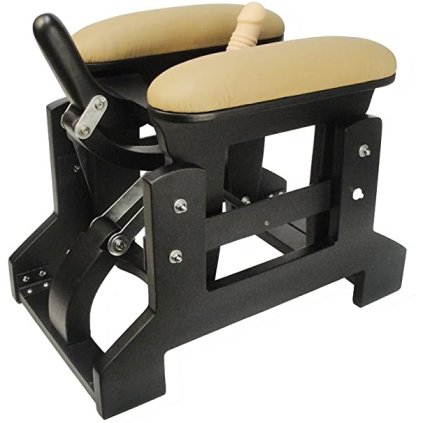
První opravdový šukací stroj. Jediný dokonale imituje pohyby partnerky na partnerovi. Umožňuje tak skutečné vyřádění a silné uspokojení partnerky. Všechny ostatní stroje imituji...
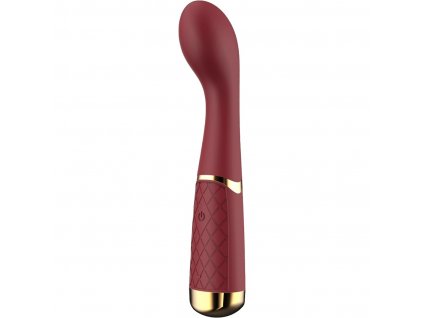
Luxusní vibrátor na G-bod s intenzivní stimulaci v dokonalé vínové barvě se zlatými prvky elegantní vzhled příjemně hladký materiál snadné ovládání

Vaginální kamera pro hravé doktory a jejich pacientky. Oživte si svůj intimní život. Odhalujte společně z venku neviditelné zákoutí své partnerky a prohlížejte si vše společně v...
Lubrikant na vodní bázi v lékařské kvalitě se speciálním složením pro ženy, vyvolává vzrušující pocity a přináší dokonalou rozkoš. Velmi oblíbený a doporučovaný gel našimi...






V sexshopu Amorův Šíp vám nabízíme nejširší výběr.
Amorův Šíp | Největší sexshop v ČR a SK | 100% zákazníků doporučuje
***
Originální erotické dárky za Akční ceny | Největší sexshop (nejvíce produktů) ❤ Amorův šíp je to pravé místo pro obnovení vášně a zpříjemnění volného času | ⭐ U nás si každý vybere ⭐
***